

 医療観光
医療観光


In a world increasingly focused on quick fixes, many are turning back to a system that has flourished for over 5,000 years. But what is Ayurveda, and why does it remain a cornerstone of global wellness today?
About Ayurveda: The Science of Longevity
The word “Ayurveda” is derived from two Sanskrit words: Ayur (Life) and Veda (Knowledge or Science). Literally translated, it is the “Science of Life.”
Unlike modern medicine, which often focuses on treating localized symptoms, Ayurveda is a holistic preventative system. Its primary goal is to maintain a delicate balance between the mind, body, and spirit. It is not merely a system of herbs; it is a lifestyle focused on preventing disease before it takes root.
Recognized by the World Health Organization (WHO) as a traditional medicine system, Ayurveda provides a structured framework for health that is respected by global medical bodies.
The History of Ayurveda: A 5,000-Year Timeline
The history of Ayurveda is rooted in the ancient Vedic culture of India. It is traditionally believed to have been passed down from the gods to sages, eventually being documented in the Atharvaveda, one of the oldest books of human knowledge.
The foundation of Ayurvedic practice rests on the “Brihat Trayi” (The Three Great Treatises):
- Charaka Samhita: The foundational text on internal medicine.
- Sushruta Samhita: This text establishes Sushruta as the “Father of Surgery.” As early as 1500 BCE, he described complex procedures, including the world’s first recorded rhinoplasty (nose surgery).
- Ashtanga Hridaya: A concise blend of both internal medicine and surgery.
What are the Five Elements of Ayurveda? (Pancha Mahabhuta)
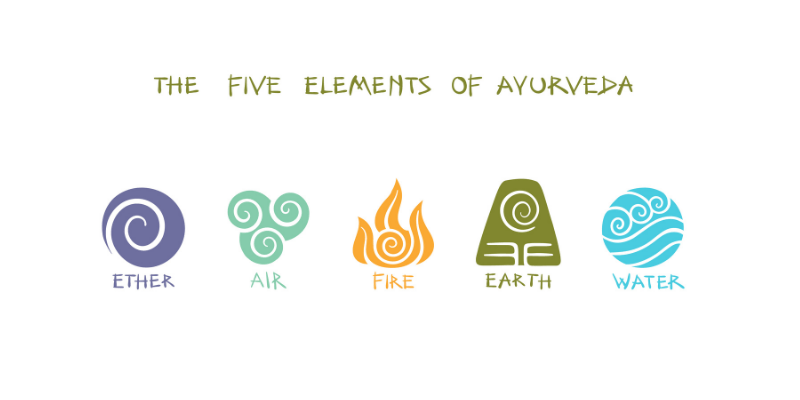
Ayurvedic science posits that everything in the universe—from the stars to our own cells—is composed of five basic elements:
- Akasha (Space/Ether): The emptiness that allows for movement.
- Vayu (Air): The principle of movement and gases.
- Tejas (Fire): The power of transformation and heat.
- Jala (Water): The principle of liquidity and cohesion.
- Prithvi (Earth): The foundation of structure and solidity.
What are the Three Doshas in Ayurveda?
When these five elements combine within the human body, they form three functional energies known as Doshas. Understanding your Prakriti (unique body constitution) is the first step in Ayurvedic healing.
- Vata (Space + Air): Governs all movement in the body, including breathing and blood circulation. People with dominant Vata are often creative and energetic but may struggle with anxiety or digestive issues when out of balance.
- Pitta (Fire + Water): Controls digestion and metabolism. Those with a Pitta nature tend to be intelligent and focused but can be prone to inflammation or irritability.
Kapha (Water + Earth): Provides structure, lubrication, and immunity. Kapha individuals are typically calm and strong but may face challenges with weight gain or congestion.
Confused About Your Prakriti?
Benefits of Ayurveda and Ayurvedic Treatment
Adopting an ayurvedic treatment plan isn’t about a one-size-fits-all pill; it’s about personalized care. The benefits of Ayurveda extend to every facet of life:
- Disease Prevention: By strengthening Ojas (vital energy), Ayurveda bolsters the immune system against environmental stressors.
- Personalized Nutrition: Instead of “dieting,” you learn to eat based on your Dosha, ensuring your body gets exactly what it needs to process nutrients efficiently.
- Mental Health: Techniques like Pranayama (breathwork) and Sattvic (pure) diets have been shown to significantly reduce cortisol levels, the body’s primary stress hormone.
Does Ayurvedic Medicine Work?
A common question for skeptics is: Does ayurvedic medicine work? Modern science is increasingly validating what ancient sages knew.
- Scientific Evidence: Over 3,000 peer-reviewed studies document the anti-inflammatory properties of Curcumin (found in Turmeric) and the adaptogenic (stress-relieving) power of Ashwagandha.
- Clinical Success: Research published in the Journal of Clinical Rheumatology demonstrated that specific Ayurvedic interventions were as effective as standard modern medicine for treating knee osteoarthritis.
Important Note (EEAT Compliance): While ayurvedic medicine is highly effective for chronic conditions and overall wellness, it should be used to supplement, not replace, emergency allopathic care or surgery.
Ayurveda For Beginners: How to Start Today
If you are exploring Ayurveda for beginners, you don’t need to change your entire life overnight. Start with these two foundational concepts:
- Dinacharya (Daily Routine):
- Wake up during Brahmamuhurta (roughly 1.5 hours before sunrise) when the environment is most peaceful.
- Practice tongue scraping to remove toxins accumulated overnight.
- Try oil pulling with sesame or coconut oil to support oral health.
- Ritucharya (Seasonal Routine): * Adjust your habits with the seasons. For example, eat warming, cooked foods in the winter to balance the cold, dry qualities of Vata.
Conclusion
Embrace the Balance: Your Journey to Holistic Health
Ayurveda is not just an ancient relic; it is a living, breathing science that offers a personalized roadmap to wellness in a chaotic world. By understanding your unique Dosha and aligning your daily habits with the rhythms of nature, you move beyond “treating symptoms” to cultivating lasting vitality. Whether it’s starting your day with tongue scraping or choosing foods that fuel your specific constitution, the path to health starts with small, mindful shifts. Are you ready to discover your Prakriti and reclaim your balance?
Start Your Ayurveda Journey Today
Speak with our certified Ayurveda experts and build a personalized wellness plan.
FAQs